520-220-5047
1-877-MISS-DUI / 1-877-647-7384
Se Habla Español
945 N. Stone Ave, Tucson, AZ 85705

-

- Home
- About Us
- Attorneys
- Practice Areas
- DUI
- First Time DUI
- Extreme DUI
- Super Extreme DUI
- Aggravated DUI
- Repeat DUI Offenders
- Underage DUI
- CDL and DUI
- Driving Under the Influence of Marijuana
- Driving Under the Influence of Drugs
- The DUI Process in Arizona
- DUI Accidents
- What To Do If Pulled Over For DUI
- Arizona DUI Laws
- Do I Need a DUI Lawyer?
- 40 Ways to Beat a DUI in Arizona
- Criminal Defense
- Conducir Ebrio
- Defensa Criminal
- DUI
- Reviews
- Info Center
- Blog
- Contact
Spring 2026 Winner of the Military Veteran Scholarship
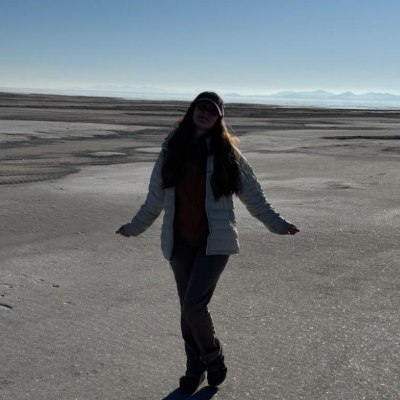
Alyssa N Caldwell
Alyssa’s time in the Air Force opened her eyes to major environmental issues, sparking her interest in conservation and ecology. Today, Alyssa is working to earn a degree in Conservation and Ecology from Arizona State University. After graduating, she hopes to pursue a master's degree as well.
Read Their Essay Here:
My experience as a military member in the Air Force caused me to change both my degree plan and my long term career goals. Living in a military family meant moving often and seeing a variety of landscapes and communities. These experiences gave me a deep appreciation for the diversity of our natural environments, but it was my time at Holloman Air Force Base in New Mexico that left a lasting impact.
One of the first things I learned about when I got there was the water contamination lawsuit connected to the base. “It’s from the foam that firefighters use.” someone casually told me. At first, I didn’t think much of it. I knew military bases had long histories, and I assumed some degree of environmental wear and tear was expected (Forever chemicals reach extraordinary levels in wildlife at Holloman Air Force Base).
I later discovered the foam they were referring to is aqueous film-forming foam
(AFFF), a fire suppressant used in military training and emergency response that contains a group of chemicals known as per- and polyfluoroalkyl substances, commonly called PFAS or “forever chemicals.” PFAS are synthetic compounds designed to resist heat, water, and oil, which makes them useful in firefighting and industrial applications, but that same durability makes them nearly impossible to break down naturally. As a result, they accumulate in soil, water, and living organisms over time (Final site inspection report Holloman AFB...).
Exposure to PFAS has been linked to a range of health issues, including liver damage, developmental delays, immune system suppression, and even certain cancers
(Our Current Understanding of the Human Health and Environmental Risks of PFAS). What I didn’t expect was to learn that this was ongoing, the New Mexico Department of Health had issued active health advisories warning residents not to consume local water or wildlife around the base due to elevated PFAS levels (Health advisory issued for Holloman Lake).
This experience sparked my passion for environmental science. It felt personal, not only because of the potential, but also because it occurred in such a beautiful place. New Mexico’s natural beauty, from its desert sunsets to its fragile ecosystems, deserves protection. White sands natural park was less than a 20 minute’s drive from my apartment. But to go there I had to pass Lake Holloman, the very site at the center of the contamination issue. The contrast was painful, but I knew then that I wanted to pursue a career in the environmental field, where I could work to prevent this kind of harm and advocate for stronger protections, especially in areas impacted by military activity.
I shifted my academics to focus on environmental science. Throughout my education, I plan to develop the knowledge and skills necessary to promote environmental justice and sustainability. Whether through conservation work, research, or policy, I am committed to using my degree to help safeguard public health and restore ecosystems. Ultimately, I hope to make a positive impact by ensuring that communities like the ones I’ve lived in, can trust the land, water, and air around them.